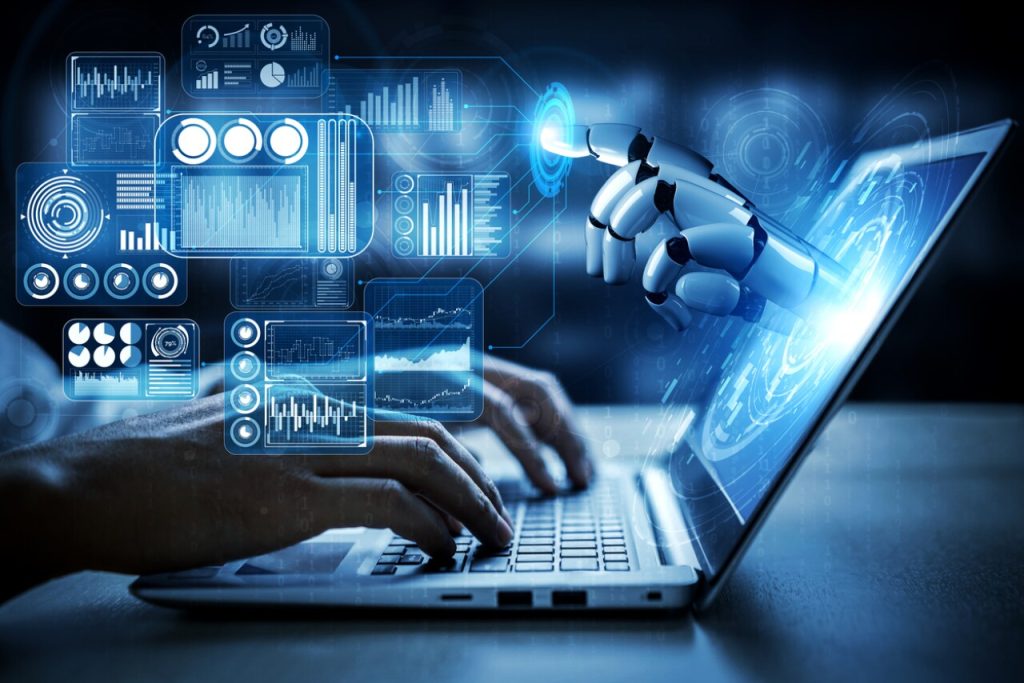
The debate about whether technology has become overwhelming due to its vastness and capabilities inevitably leads us to a question: What is it that we, the end user, are really looking for? When we interact with a new tool or software, we often face constant updates.
On one hand, we have applications that impress us with thousands of options, endless drop-down menus, and multiple clickable choices—a clear example of overwhelming technology. These applications, however powerful, can generate what is known as decision fatigue; the complexity makes it easy to see the application’s functionality, or it becomes an obstacle.
Users feel overwhelmed by the sheer scale of some applications and, instead of feeling empowered, they feel frustrated. Consequently, studies worldwide have shown that approximately 37% have not embraced technological advancements and continue to manage their tasks, schedules, or procedures in a traditional way, thus avoiding feeling frustrated and unable to fully enjoy technological tools.
However, the vast majority of modern consumers value the seamless integration of function and form, the simplicity that belies a sophisticated application, and the feeling that the tool disappears, allowing them to focus on their task, whether it’s creating, communicating, or working. The technology that wins isn’t the biggest or most complex, but rather the one that best meets their specific needs, making the complexity of its design completely unnoticeable, thus leaving the user satisfied with these applications.
In this context, truly successful technology is not the one that overwhelms, but the one that feels so organically complete that it becomes a natural extension of the user’s life.