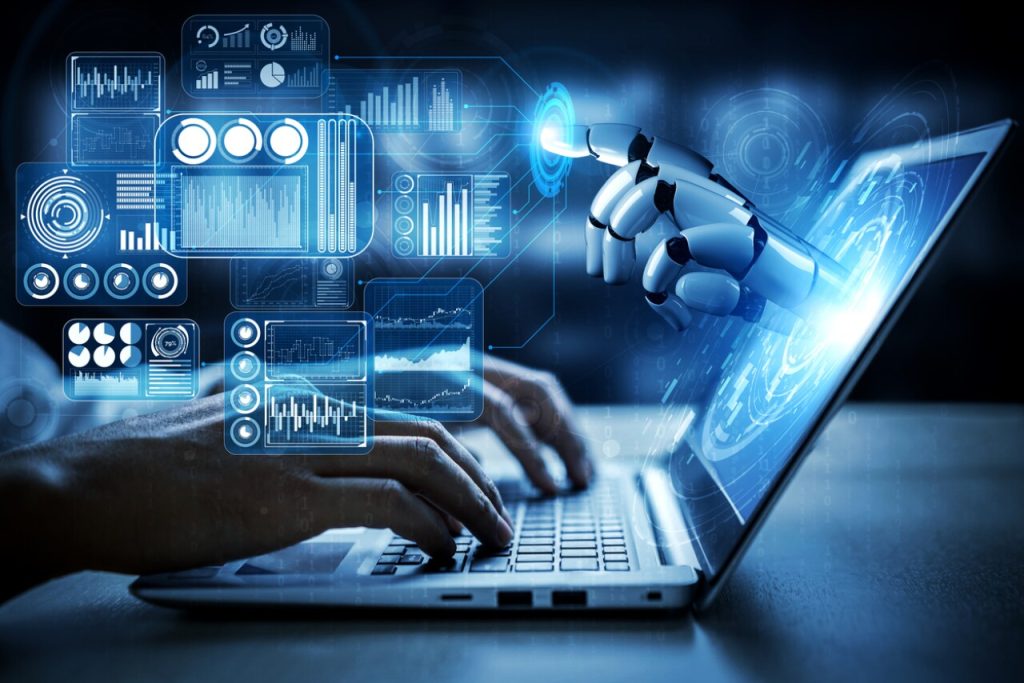
The technological landscape of 2026 is not merely a continuation of the present, but a profound redefinition of what it means to be a programmer. We are no longer talking about simply writing lines of code, but about an era of “Augmented Development” where artificial intelligence has evolved from a copilot suggesting functions to a system of autonomous agents capable of managing entire workflows. In this scenario, the traditional programmer is transforming into an Intelligent Systems Architect.
Regarding the technology stack, languages like Rust have become the gold standard for systems requiring maximum security and performance, gradually displacing older options in the development of critical infrastructure. Python continues to lead thanks to its seamless integration with language models, while other languages still dominate web development, allowing for the execution of highly complex applications directly in the browser at appropriate speeds. Furthermore, secure computing has become a fundamental requirement; by 2026, developers must design software with secure enclaves in mind, where data is processed in encrypted form even in memory, responding to unprecedented global regulatory pressure.
Programmers are being evaluated not only on the speed of their applications, but also on the energy efficiency of their code.
This is because optimizing algorithms reduces the footprint in the data centers that power AI. This shift towards efficiency and event-driven architecture marks the end of traditional, cumbersome microservices, giving way to more agile and reactive structures that consume resources only when strictly necessary.
Finally, the 2026 job market will value human skills more than ever. In a world where machines write the codebase, the ability to translate complex business problems into technical architectures, the empathy to understand end-user needs, and the ethical vision to manage data privacy are the true differentiators. The programmer of 2026 must focus on true innovation: creating solutions that are not only functional, but also resilient, secure, and human-centered.